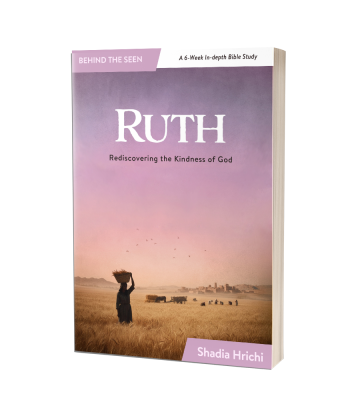
This excerpt is from RUTH: Rediscovering the Kindness of God! Order your copy today!
In exploring the book of Ruth, many scholars and laypersons alike observe that God never speaks, no one speaks to God directly, and apart from crediting God for Ruth’s conception at the end of the book (4:13), God does not perform any miraculous signs. In short, while God is mentioned (1:6, 13, 17, 21; 3:13) and blessings are extended in His Name (1:8; 2:4, 12, 20; 3:10, 4:11–12, 14), to the reader, it would seem that God’s activity is fairly hidden in the story. But that is not how Naomi saw it.

Seeing God’s Providence When He Seems Silent
In her grief, she sees God as responsible for her misfortune and heartache. But rather than protest or challenge God like Job had, she, perhaps feeling helpless as a poor widow, seems resigned to her lot in life. Thankfully, that is not the end of the story. God, in His kindness, is working behind the seen to bring about blessing and restoration. Let’s take a closer look:
“Then [Ruth] left, and went and gleaned in the field after the reapers. And she happened to come to the part of the field belonging to Boaz, who was of the family of Elimelech.” Ruth 2:3 NKJV
In the original text, two Hebrew words are used to describe Boaz, gibbor and hayil, which most English Bibles translate into one word, such as worthy, prominent, or wealthy. The first Hebrew word relates to military strength and power, and is the same word translated as “warrior” or “mighty” (as in “mighty men” used throughout the Bible) and even “mighty God” (see Isa. 10:21). The second word also relates to strength, but can refer to an abundance of wealth and possessions, as is likely the case in this context, as well as strength of character. Curiously, Boaz describes Ruth with this same word in chapter 3.
 How God Guided Ruth to Boaz
Scripture describes Boaz as having both power and wealth. In short, Boaz had a lot going for him. And then there was Naomi, who, like Boaz and her husband Elimelech, all belonged to the royal tribe of Judah and clan of Ephrathah.
As the events in Ruth took place during the period of the Judges—an era that immediately followed the Israelites’ conquest of the Promised Land, every tribe and clan was enjoying their allotted inheritance in the Promised Land. While most of the Israelites had become wealthy landowners, Naomi found herself with no alternative but to depend on her Moabite daughter-in-law gleaning in the fields – a practice reserved for the poorest of the poor.
Yet above it all, God was watching over Ruth and Naomi. God saw Ruth’s faith, love for Naomi, and willingness to work hard. When the going gets tough, rather than complain against God or set her sights on returning to Moab, Ruth pleads with Naomi (placing herself at great personal risk), saying, “Let me go to the field and glean among the ears of grain after him in whose sight I shall find favor” (2:2). And God was delighted to grant her request.
Recognizing God’s Favor in Everyday Life
In what way(s) have you experienced God’s favor this past week?
Has He answered a prayer? Extended kindness to you through someone else?
If you cannot think of an area where God extended His favor to you this past week, take a moment right now and ask God to show you how He has been kind and gracious to you.
“For the Lord God is a sun and shield; the Lord bestows favor and honor. No good thing does he withhold from those who walk uprightly.” Psalm 84:11 ESV
For an in-depth study on Ruth, purchase your copy of my Bible study, RUTH: Rediscovering the Kindness of God, available now!

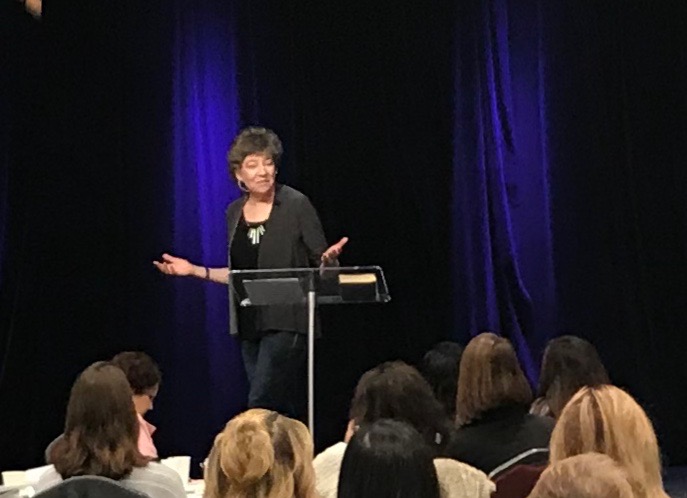
Shadia is a passionate Bible teacher, multi-award-winning author, and speaker who has a heart for seeing lives transformed by the power of God’s Word. She holds a master’s in biblical and theological studies from Western Seminary and is the author of several books and Bible studies, including HAGAR, TAMAR, LEGION, RAHAB, Worthy of Love and her newest study RUTH: Rediscovering the Kindness of God

 I believe you can experience deep and refreshing engagement with God’s Word, even if you’ve read it many times before.