
What’s with all the goats in the Bible?
Throughout Scripture, goats appear in surprising ways—from Jacob’s deception to Judah’s scandal and even Jesus’ parable of the final judgment. The Bible uses goats to symbolize sin, rebellion, and separation from God—contrasted with sheep, who represent believers who follow the Shepherd’s voice. By exploring the difference between sheep and goats, we uncover a powerful spiritual truth: goats go their own way, but sheep follow their Shepherd.
Overview of the Main Points about Goats in the Bible
- Goats frequently appear in the Bible, often linked to stories of deception and sacrifice (Jacob, Judah, Tamar).
- In biblical culture, goats were valuable for food, milk, and offerings—but also symbolized rebellion and destruction.
- Sheep and goats often grazed together, yet goats’ aggressive nature made them dangerous to sheep.
- The Old Testament sometimes portrays goats as symbols of wickedness or demonic influence (Ezekiel 34:17; Leviticus 17:7).
- Jesus used the imagery of sheep and goats in Matthew 25 to describe final judgment—sheep as faithful believers, goats as unbelievers.
- Physically, sheep and goats once looked nearly identical; spiritually, they are separated by obedience and faith.
- The defining difference: goats go their own way, but sheep follow their Shepherd’s voice (John 10:4).
Having grown up “a city kid,” I’ll be the first to confess I don’t know a lot about goats. Well, I didn’t know a lot about goats—until I started writing this Bible study.
As I explored Abraham’s family drama leading up to Tamar’s entrance into the story, goats seemed to jump up all over the place. (Perhaps this isn’t so surprising given their tendency to jump).
First, it was Jacob, covered in goat skins in order to deceive his father, Isaac into thinking he was his firstborn son, Esau (he did this in order to steal Esau’s blessing).
Next, it was Judah and his brothers dipping their little brother Joseph’s coat in goat blood in order to convince their father he was dead (they actually sold Joseph into slavery).
And then, in the story of Tamar and Judah: another goat shows up!
I began to wonder, what’s with all the goats in the Bible?
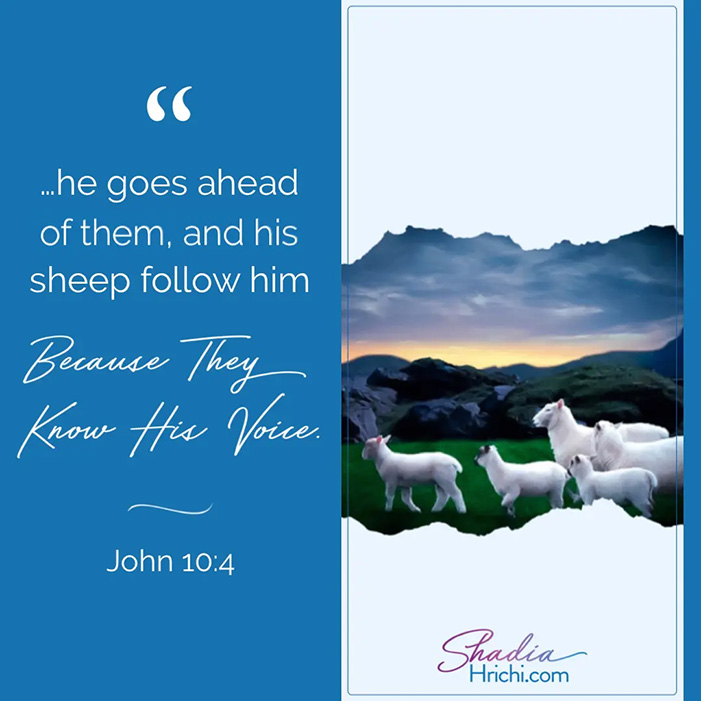
During my research, I learned a lot about goats in the Bible. In biblical times, goats were highly prized for food, milk, and skins, and were permitted by God for sacrifice (Lev. 16:7-10; Heb. 10:3-4). At the same time, keeping goats—even to this day—has its challenges. The animals are highly destructive. They do not just eat plants and grasses above the soil but left to themselves, they would eat every last living thing, right down to the roots. Although sheep and goats typically graze in the same areas, the animals often need to be separated due to the goats’ aggressive disposition, making them a real danger to the sheep.
In fact, in the Old Testament, goats sometimes symbolically represented oppressors and wicked men (Ezekiel 34:17 and 39:18) and even demons (Leviticus 17:7).
Why did Jesus use sheep and goats?
In the New Testament, goats are mentioned a number of times. Perhaps most memorably by Jesus who, in speaking of the final judgment in Matthew chapter 25, announces that as King, “he will separate people one from another as a shepherd separates the sheep from the goats.”
What does God separating the sheep from the goats mean?
Here, the sheep represent believers who will enter God’s Kingdom; the goats are unbelievers who enter eternal damnation. For the crowd listening to Jesus’s words, this would have been a powerful visual. Today, specialized breeding has rendered sheep and goats quite distinguishable, but this was not the case in biblical times. The sheep and goats in Jesus’s day shared so many physical features that they looked virtually identical; so much so that often only a shepherd could tell them apart.
Recap of What’s with all the goats in the Bible?
As I was chasing goats along my biblical “rabbit trail,” I learned something else. Besides being highly destructive to land and a danger to the sheep with which they roam, this last distinction between the animals could not be more telling. If you want to know the difference between a goat and a sheep, you need only to see who is following who. Goats go where they wish and the goat herder follows behind. Sheep, on the other hand, follow their shepherd and listen for his voice.
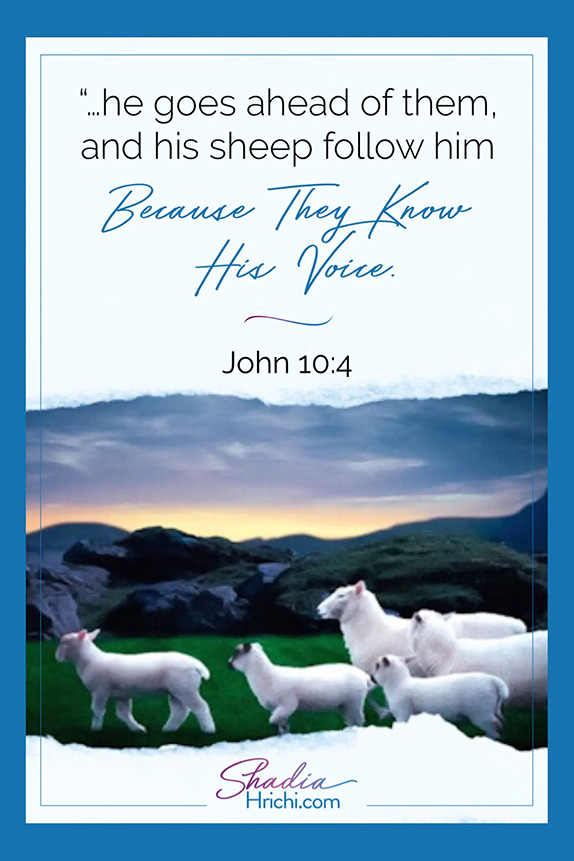
“. . . he goes ahead of them, and his sheep follow him because they know his voice.” (John 10:4)
In the Bible, goats symbolize sin, rebellion, and independence from God, while sheep represent faith and obedience. Goats were valuable animals used for sacrifices but also served as vivid symbols of those who reject God’s ways. When Jesus described separating the sheep from the goats in Matthew 25, He illustrated the eternal division between believers who follow Him and unbelievers who do not.
Key takeaway: The difference between a goat and a sheep isn’t just physical—it’s spiritual. Goats go their own way; sheep follow the Shepherd

This is an excerpt from my award-winning Bible study, TAMAR: Rediscovering the God Who Redeems Me.



That was awesome amazing now I know the difference between sheets and goats
I’m so glad you enjoyed the article and learned something new! God’s Word is rich with amazing insights 🙂
Have you ever studied Leah? How did God try to help her see grace through her rough life?
Hi Lori. Yes, I’ve studied Leah and share some of the life lessons we can learn from Leah’s story in my Bible study, TAMAR: Rediscovering the God Who Redeems Me.
Hi, thanks for the information and explanation. How do you know goats and sheep used to look more similar?
Also: would you study and write an article about the fact that people will die and sin in the millennium? No preachers talk about this. It’s the key to understanding the rapture.
Excellent insights, Shadia. Thank you!
Thank you Hannah! I’m so glad you enjoyed the article! Be sure to join our email community to get your free Bible Study Toolkit and other freebies. Join HERE: https://mailchi.mp/shadiahrichi.com/biblestudytoolbox
thank you for this great revelation God bless you
Blessings Christina! I am so delighted to hear how this article has blessed you! God’s word is so rich with something new each time we open His word!
Thank you Shadiah for this great insight
Blessings Michael, I am so delighted to hear you enjoyed the article!
Your insights came just at the right time. My friend in a nursing home is preaching on goats and sheep this Sunday. I shared this with her and now she is ready.
I am so delighted to hear this article has been a blessing to you and your friend! I will be praying for the Lord’s will to be done through your friend’s message. Blessings!
Hi, thanks for the information and explanation. How do you know goats and sheeps used to look more similar?
Also: would you study and write an article about the fact that people wil die and sin in the millennium? No preacher talk about this. Its the key to understand the rapture.
Hi Veronika. Thank you for your questions. Regarding sheep and goats, selective breeding over time led to further clear distinctions between the two species. In ancient time, their many similarities made it difficult to distinguish the animals, especially from a distance. Jesus uses this reality as a basis for illustration of separating sheep and goats in Matthew 25.
Regarding the events during the millennium, I briefly cover this question in my Bible study, LEGION: Rediscovering the God Who Rescues Me.